
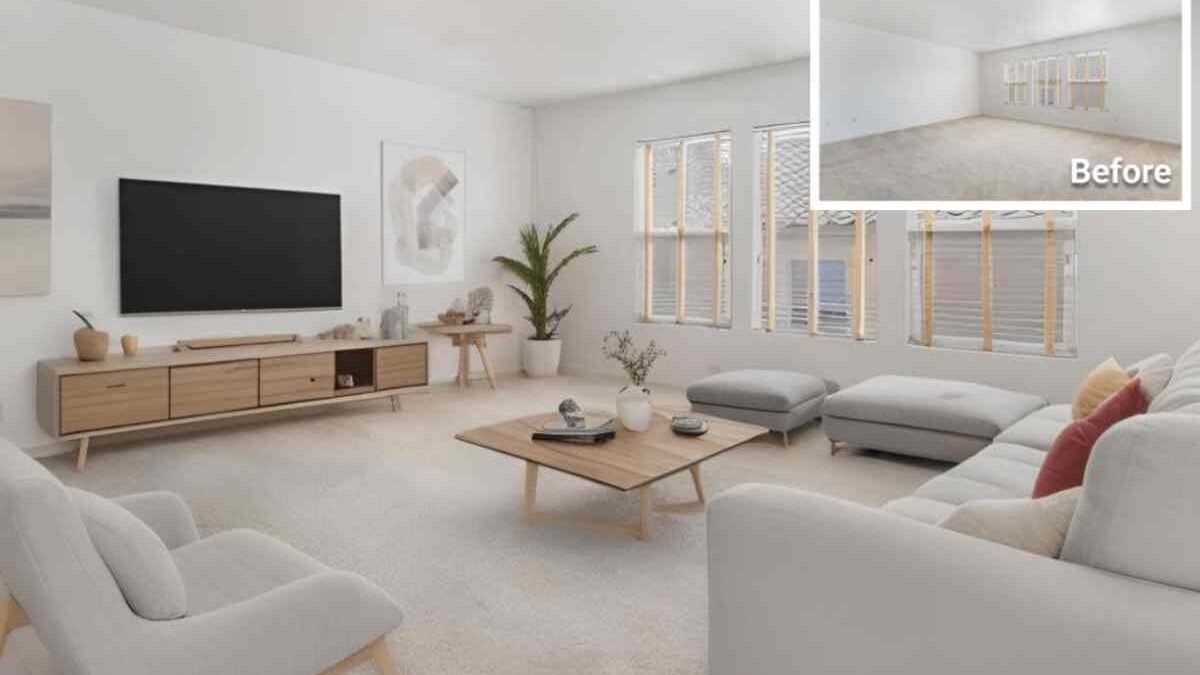
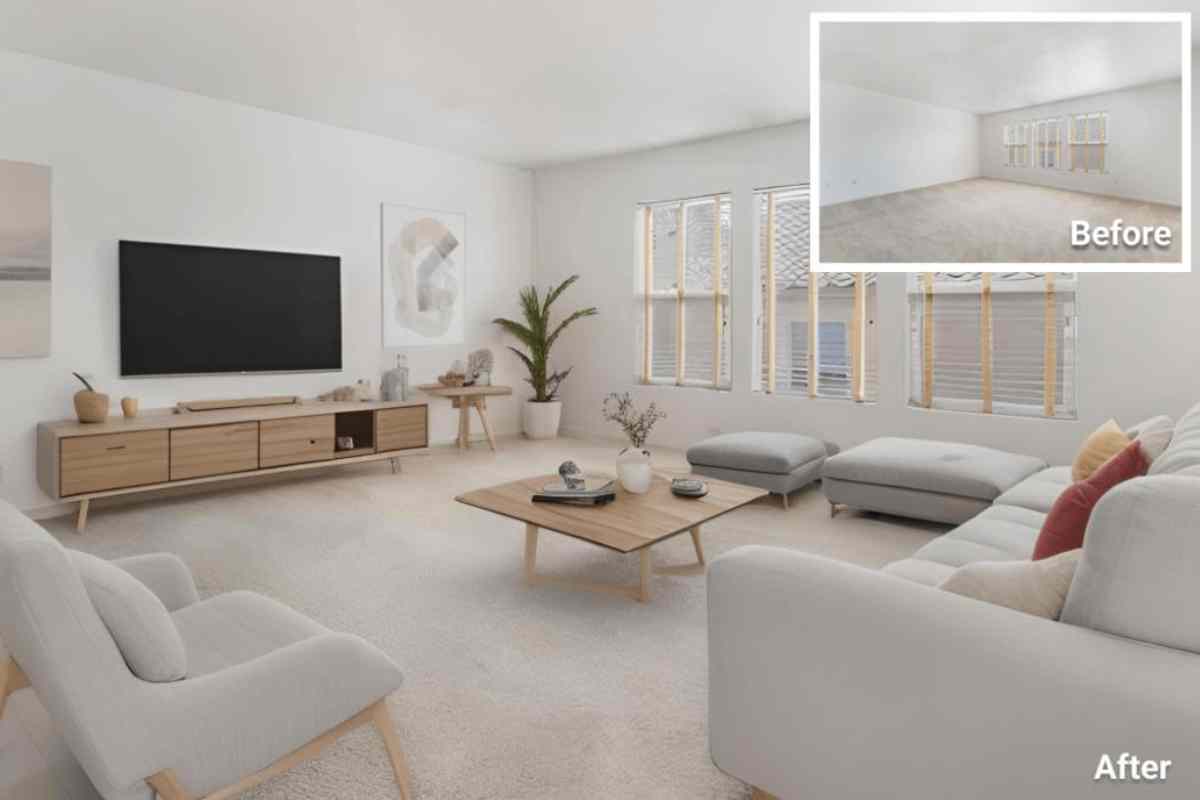
Virtual Staging and the Virtual Real Estate industry have transformed property marketing by making it faster, smarter, and more cost-effective worldwide. Today’s buyers prefer visually appealing, well-designed homes, but traditional staging requires significant time, effort, and expense. It solves this by digitally enhancing property images with modern furniture and décor, helping agents attract more buyers without physical setup while increasing the chances of faster sales.
This article belongs to Tech Reviews.
Table of Contents
Virtual staging real estate: Global market overview and adoption trends

Virtual staging real estate has become a global standard in property marketing across countries like the USA, UK, UAE, India, and Australia. With the rise of AI virtual staging real estate, agents now rely on digital tools to present properties faster and more attractively.
Global Adoption of Virtual Staging
| Region | Adoption Rate | Key Benefit | Popular Use Case |
| USA | 80%+ | Faster sales | Residential listings |
| UK | 65% | Cost savings | Rental properties |
| India | 50%+ | Affordable marketing | Apartments & flats |
| UAE | 70% | Luxury property marketing | Villas & premium homes |
| Australia | 75% | Buyer engagement | Online listings |
Key Insights
- Digital-first buyers dominate globally
- 90% buyers search online before visiting
- It improves listing click rates
Resource: https://www.nar.realtor/research-and-statistics
Virtual Staging And Its Benefits
What is Virtual Staging?
Virtual Staging is the process of enhancing digital photos of a property using graphics software to highlight its best features and attract buyers. This technology removes unnecessary clutter and allows the addition of furniture, décor, and accessories to create a visually appealing space. Each room is carefully designed to look organized and realistic, similar to traditional staging. The final images are then used in property listings, helping sellers attract more potential buyers without requiring physical setup.
Cost Savings and Efficiency
One of the biggest advantages of it is its cost-effectiveness. Unlike traditional staging, there is no need to hire movers, rent furniture, or invest in expensive décor. Everything is done digitally, saving both time and money. Sellers can also experiment with multiple design styles, colors, and layouts without purchasing or physically changing anything in the property.
Flexibility and Design Customization
Virtual Staging offers unmatched flexibility in home presentation. Using advanced virtual staging software, sellers can easily add or modify furniture and decorations to match modern trends or buyer preferences. This helps in creating multiple versions of the same space, making it easier to appeal to different target audiences across global markets.
Improved Buyer Visualization
Many buyers find it difficult to imagine how an empty or poorly furnished space can look. Virtual Staging solves this problem by presenting a fully designed home environment. It allows buyers to visualize the potential of the property, making it easier for them to connect emotionally and make quicker decisions.
Convenience for Global Real Estate Marketing
It is especially useful in today’s digital-first world, where most buyers search for properties online. It allows sellers to showcase homes to a global audience without requiring physical visits. This makes the process more convenient for both buyers and sellers, increasing reach and improving chances of faster property sales.
Virtual staging AI and virtual staging software: Tools, features, and comparisons
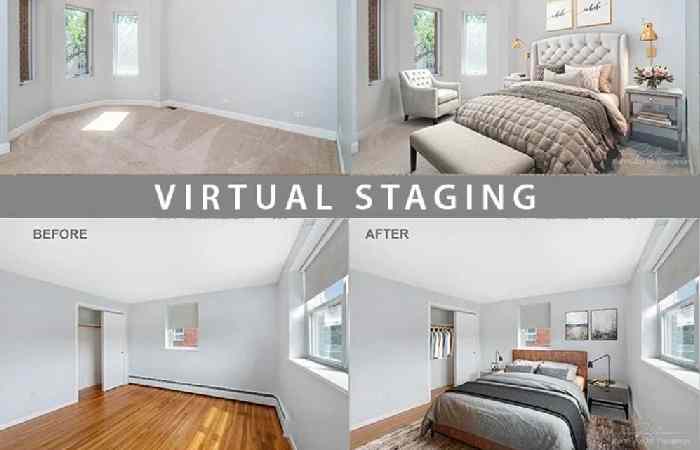
Modern virtual staging AI tools use machine learning and 3D rendering to create realistic interiors within seconds.
Comparison of Virtual Staging Software
| Software Type | Features | Pricing | Best For |
| AI-based tools | Auto furniture placement | Low/Medium | Beginners & agents |
| Manual editing tools | Custom design flexibility | Medium/High | Designers |
| Cloud platforms | Remote access, team sharing | Medium | Agencies |
| Mobile apps | Quick edits, easy UI | Free/Paid | Individual sellers |
Key Features of Virtual Staging Software
- AI-based furniture placement
- Lighting and shadow adjustment
- Style customization (modern, luxury, minimal)
- 3D visualization
Top 10 Virtual Staging Companies Worldwide (With Pricing & Features)
Complete Comparison
| Company Name | Type | Pricing (Per Image / Plan) | Turnaround Time | Best For | Key Features | Global Usage |
| Virtual Staging AI | AI | $0.89 – $2.40 | 30 seconds | Fast & affordable staging | AI automation, instant results | USA, UK, India |
| BoxBrownie | Human | $24 – $32 | 24–48 hrs | Luxury properties | High realism, pro designers | Global leader |
| PhotoUp | Human | From $20 | 24–48 hrs | Agencies & marketing | Full real estate services | USA, Europe |
| Collov AI | AI | $19 – $49/month | Minutes | Design variations | AI styles, room redesign | Global SaaS |
| Virtual Staging Solutions | Human | $16 – $24 | 24–48 hrs | Budget premium | Affordable human staging | USA |
| Apply Design | Hybrid (AI + Human) | $16 – $29 | Same day | Balanced quality | AI + manual editing | Worldwide |
| Stuccco | AI | $15 – $25 | Same day | Real estate listings | Fast AI staging | USA |
| Styldod | Human | Custom ($20–$100+) | 24–48 hrs | High-end projects | Custom designs, editing | Global |
| Rooomy | AR/VR | Custom pricing | Depends | Interactive staging | 3D + AR experience | USA, Europe |
| Bella Staging | Human | From $28 | 24–48 hrs | Realistic interiors | Unlimited revisions | Global |
Pricing Insights
| Category | Price Range | Description |
| AI Virtual Staging | $0.10 – $3/image | Cheapest, fastest option |
| Mid-Level Services | $20 – $50/image | Balanced quality |
| Premium Services | $50 – $100+/image | Luxury, custom staging |
| Physical Staging | $2000 – $5000/property | Traditional staging |
AI tools are 10–30x cheaper than human staging while maintaining ~90–95% quality
Typical virtual staging costs range from $0.10 to $75 per image depending on service type
Feature Comparison Table
| Feature | AI Tools | Human Services | Hybrid Platforms |
| Cost | Very Low | High | Medium |
| Speed | Instant | Slow | Moderate |
| Customization | Medium | High | High |
| Realism | Good | Excellent | Very Good |
| Scalability | High | Low | Medium |
Key Global Trends
- AI virtual staging is dominating due to cost efficiency
- Real estate platforms prefer fast turnaround (under 1 minute)
- Hybrid models (AI + human editing) are growing rapidly
- AR/VR staging is becoming popular in luxury markets
- Subscription-based staging tools are increasing
Pro Insight:
For most real estate agents worldwide, AI tools like Virtual Staging AI or Collov provide the best ROI, while companies like BoxBrownie and Styldod are preferred for luxury listings where realism is critical.
How to Choose the Best Virtual Staging Company
| Use Case | Recommended Type |
| Budget listings | AI tools |
| Luxury homes | Human staging |
| High volume agencies | Subscription AI tools |
| Interactive marketing | AR/VR platforms |
Difference between Virtual Staging and Traditional Staging
In traditional staging the realtor physically examines the home or property which is to be sold. The stager then takes photographs of each room to find out what is need. Then, in order to make it attractive, necessary décor is add to attract buyers. The buyers are then shown the photos or have to visit the property physically to see its features. This type of staging requires a lot of work, time and additional money on the part of the salesperson and can be very difficult if he is still at home during the process. Since empty houses are easier to build, most traditional stage performers must leave the building before new items are available.
Traditional staging is good for the credibility it offers. However, because of convenience, cost-effectiveness, time-saving and inexpensive advertisements, it is the best choice. All it needs is clear photos or videos of the entire house in order to make the virtual staging effective. Thankfully, there are cloud-based image and video editing applications that allow sellers to create real estate videos that look amazing and appealing. With these applications, sellers can enjoy designing videos that delight their potential clients.
Because of these technological advancements, it has become much easier and faster. This process is much more convenient for sellers, as there is no need to physically move goods or pay for storage and worry about getting everything in its place, as all new furniture is virtual and does not actually exist in the given property.
Virtual staging and the virtual real estate examples: Real-world case studies
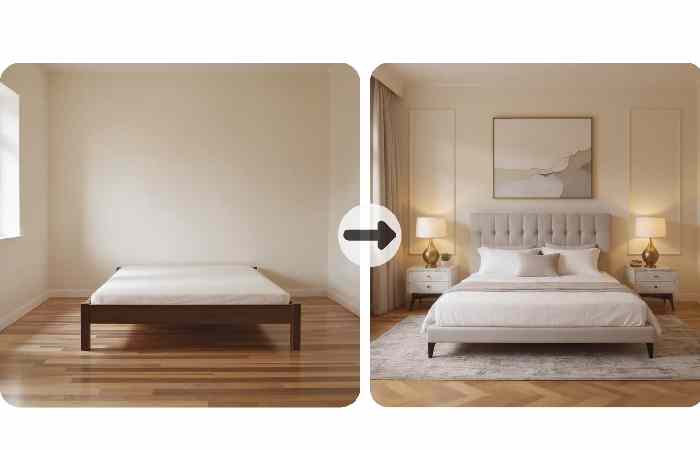
Understanding virtual staging and the virtual real estate examples helps sellers visualize its impact.
Case Study Comparison
| Property Type | Before Staging | After Virtual Staging | Result |
| Empty Apartment | No interest | Fully furnished | +60% inquiries |
| Old House | Outdated | Modern design | Faster sale |
| Rental Unit | Plain | Stylish decor | Higher rent value |
Key Outcomes
- Listings sell 30–70% faster
- Increased perceived property value
- Higher buyer engagement
What It Takes to Virtually Stage a Property?
Virtua involves professional photography and experienced designers. The most realistic virtual cinemas are based on professionally shot photographs. To make your furniture look realistic, you need high-quality photos. Professional photographers can capture room photos from the best angles for staging. Everyone has different styles and choices. Also, if you don’t physically see it, it is difficult to determine which style matches the attribute.
When uploading photos for placement, the virtual stage provider offers a variety of styles to choose from, but it’s always a good idea to upload an image of your preferred furniture type and style. Additionally, it can be helpful to draw reference images on where furniture should be place because editors are often unaware of the photographer’s perception.
Virtual staging free tools and best free virtual staging app options
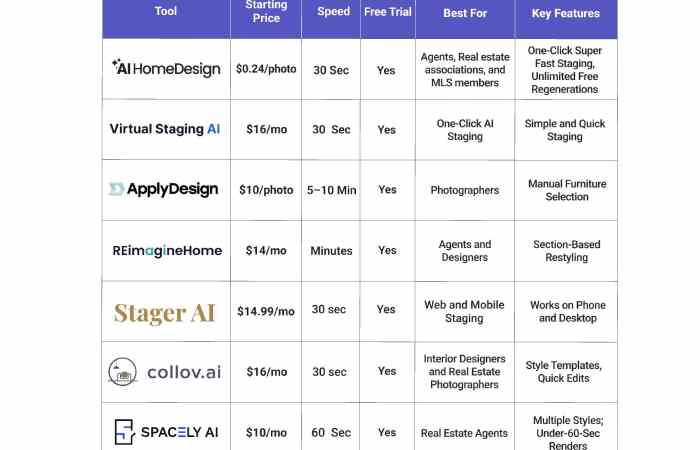
For beginners, using virtual staging free tools or a best free virtual staging app is a great starting point.
Free vs Paid Virtual Staging Tools
| Feature | Free Tools | Paid Tools |
| Cost | Free | ₹500–₹5000/image |
| Quality | Medium | High |
| Customization | Limited | Advanced |
| Speed | Fast | Very fast |
| Support | Limited | Full support |
Popular Free Virtual Staging Options
- AI room design apps
- Browser-based staging tools
- Mobile interior design apps
Quick Tips
- Use high-quality images
- Choose modern styles
- Avoid over-decoration
Providing an Imagination Of The Property
If the buyers have the opportunity to see his imagined future applied on the property he intends to buy, he can close the deal right from the start. This approach is very effective because it provides customers with the opportunity to see the various possibilities of their future home, such as design, style and decorative details that enhance the visual appeal of the place.
It changes an empty space into a home with a fully digital design based on customer preferences. But buyers know that the place they are looking for in photographs is digital only and is selling empty. They would consider buying a home if they only considered the options and could imagine living in this environment and all other conditions. Additionally, you can post these photos and videos on the official website of your virtual office to let a wider range of audiences see it at their will.
Free virtual staging app for real estate: Step-by-step workflow
Step-by-Step Process
| Step | Action | Tool Used |
| 1 | Capture property photos | DSLR / Smartphone |
| 2 | Upload to staging app | AI platform |
| 3 | Select design style | Modern / Classic |
| 4 | Apply furniture digitally | AI staging tool |
| 5 | Download final image | Export option |
Workflow Benefits
- Saves time
- Reduces cost
- Improves visual appeal
Pro Tip
Always stage the living room first — it creates the strongest emotional connection with buyers.
A Choice of the Pandemic Times
The real estate business model is rapidly changing due to the COVID-19 pandemic. Virtual home tours and online marketing are becoming the norm due to pandemic. Real estate websites and smartphone apps are the first thing most buyers look at when they’re ready to find a new home.
Through virtual staging sellers can easily showcase beautiful photographs of their properties from the comfort of their home. It cuts overhead costs so you can have more money in your pocket. Whether you are a broker, proprietor or realtor it is at the forefront and will be the focus of future steps. It helps real estate brokers to sell or rent properties faster.
Future of AI virtual staging real estate and global innovations
The future of AI virtual staging real estate is rapidly evolving with technologies like AR, VR, and metaverse integrations.
Future Trends Table
| Technology | Impact | Timeline |
| AI Automation | Instant staging | Present |
| Virtual Reality | Immersive tours | 1–3 years |
| Augmented Reality | Live staging via phone | 2–5 years |
| Metaverse | Digital property sales | Future |
Global Innovations
- Virtual property tours
- AI-driven personalization
- Real-time staging changes
Conclusion
Virtual Staging is transforming real estate by making property marketing faster, more affordable, and visually appealing. With tools like virtual staging AI and software, sellers can attract buyers, save costs, and sell properties more efficiently worldwide.